About Floatlands
Learn about the game concept, gameplay mechanics, and the unique world of Floatlands.
What Is Floatlands?
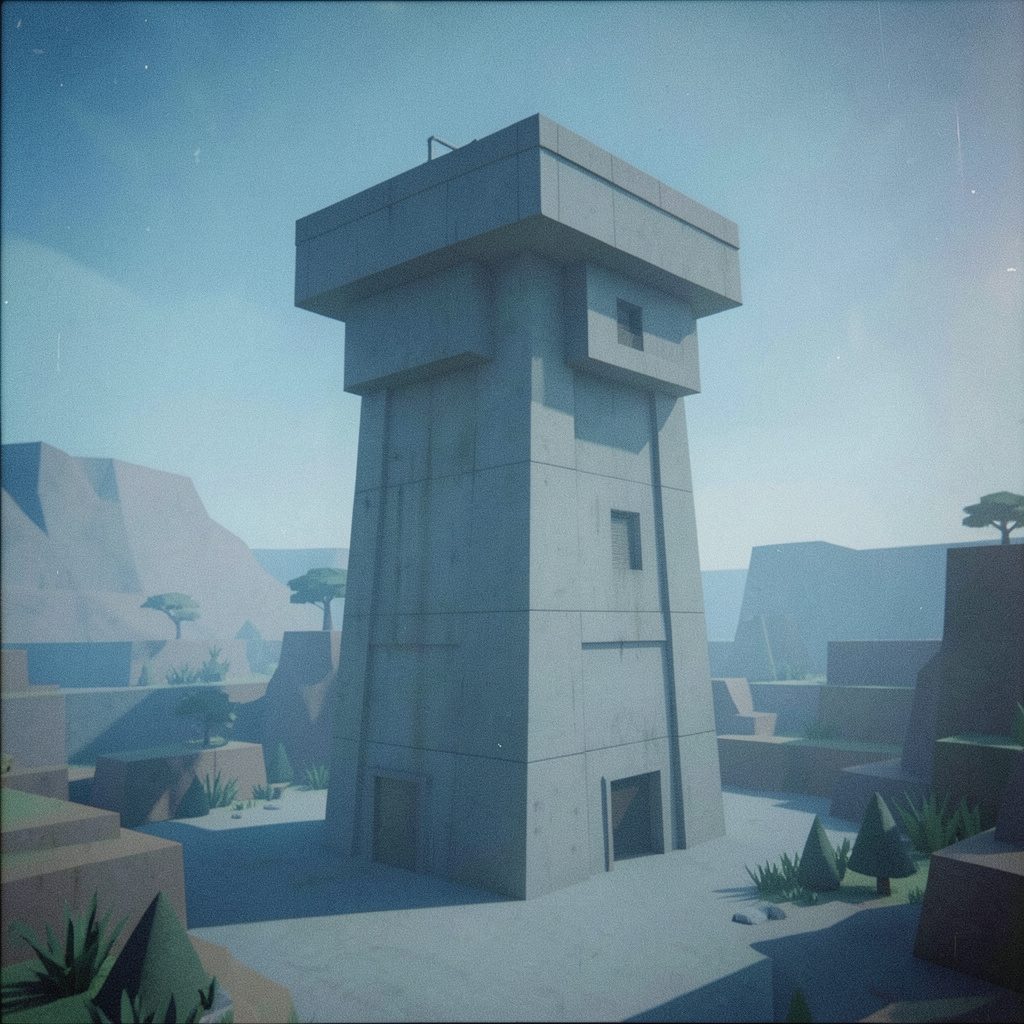
Floatlands is a low-poly survival-exploration FPS, playable in single-player mode with multiplayer planned for a later stage. The game is currently in early development with defined goals. You take on the role of a robot protagonist, fighting against other robots across a world that reshapes itself every time you play.
A World That Changes
The game world spans several biomes — jungle, desert, sea, and snow — each brought to life on randomly generated islands. Natural elements and terrain vary from one session to the next, so no two adventures follow the same map. The low-poly art style gives the landscapes a clean, distinctive look while keeping the focus on exploration and survival.
Floatlands presents a procedurally generated world where no two playthroughs are ever the same. Each session reshapes the terrain, island layouts, and resource distribution, ensuring that exploration and survival remain fresh challenges. The game's low-poly visual style gives the world a clean, approachable aesthetic while still conveying distinct biomes like jungle, desert, sea, and snow. Players navigate floating islands suspended in the sky, discovering ore deposits, loot, and hidden dangers around every corner. This dynamic environment encourages constant adaptation, rewarding those who study the land and plan their routes carefully before venturing into unknown territory.
Combat in Floatlands revolves around tactical encounters with enemy robots that patrol the islands and guard valuable resources. The player character is also a robot, creating an interesting dynamic where mechanical foes use varied attack patterns and behaviors. Some areas are heavily guarded, requiring careful approach and strategic use of the environment. The game balances difficulty so that both combat and exploration feel meaningful. Defeating enemies yields valuable components and materials needed for crafting and survival. The collision avoidance and pathfinding systems ensure that NPCs move intelligently, making each encounter feel genuine rather than scripted or predictable.
Development of Floatlands follows a transparent, community-focused approach with regular devblog updates that share technical previews, concept art, and design decisions. The team documents their progress on procedural generation, lighting systems, and game mechanics openly. This ongoing dialogue between developers and players helps shape the game's direction. The weekly updates cover everything from art design and biome creation to debugging and performance optimization. Players can follow along as the game evolves from concept to reality, gaining insight into the challenges of building a procedurally generated survival world. This collaborative spirit defines the project's development philosophy.
The world of Floatlands is designed for both solo survival and future multiplayer exploration. Players must manage resources, scavenge for loot, and navigate treacherous terrain while contending with environmental hazards and hostile robots. Mining plays a central role, as gathering ore and other materials allows for crafting essential equipment and upgrades. The game's art direction combines a muted, natural palette with geometric low-poly models, creating a distinctive visual identity. Each biome offers unique challenges and opportunities, from the arid heat of desert islands to the frozen expanses of snow-covered lands. The sense of discovery drives the experience forward.
Gameplay
Floatlands combines resource gathering, base building, and random quests. You'll scavenge materials from the environment, construct structures for protection and storage, and process raw resources into refined goods. The world is hostile — enemy robots patrol the islands, and you'll need to craft gear and plan your approach to stay alive.
Development
Floatlands is being built by Studio Techtrics, a five-person team based in Ljubljana, Slovenia. The project is in active early development, with progress tracked publicly on the Roadmap. You can follow along through regular devblogs and meet the people behind the game on the Team page.