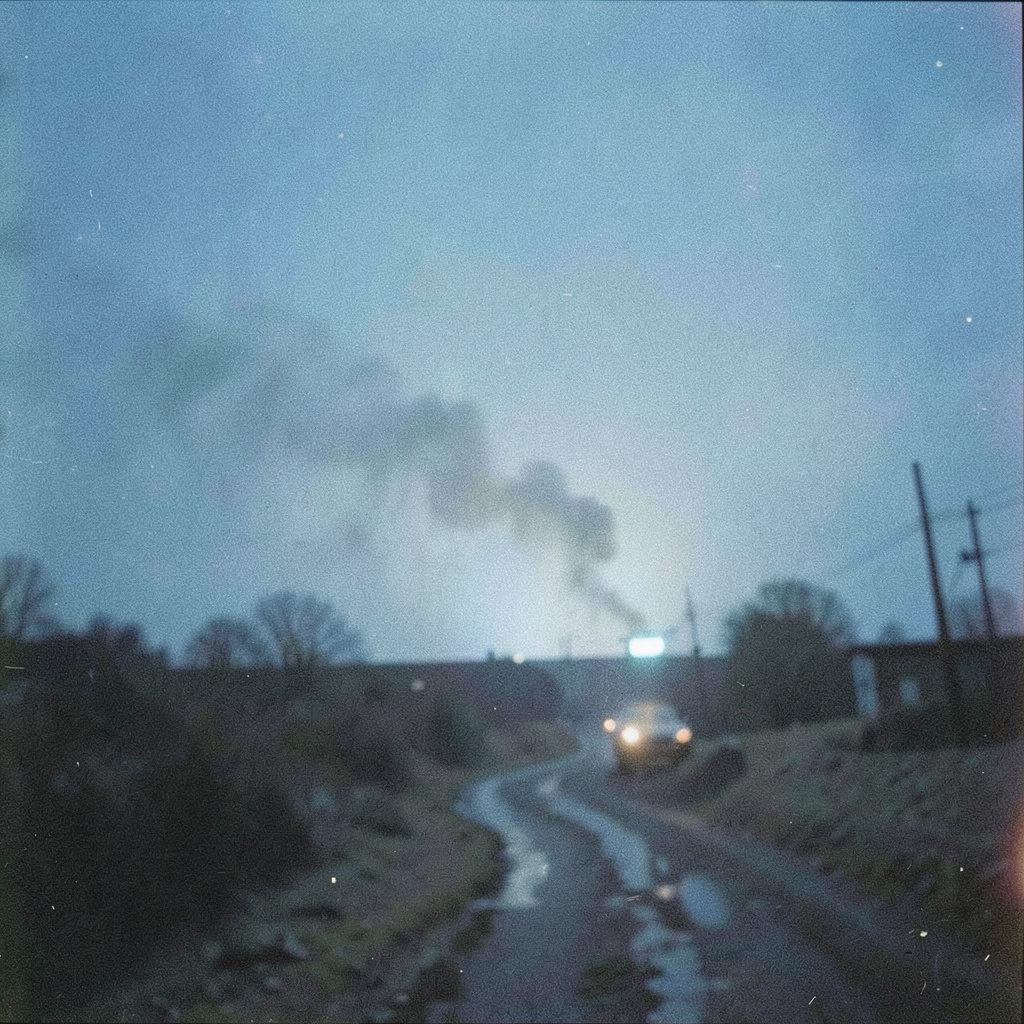
Devblog 24 – Visiting Coal Mine
November 28, 2016
The team took a teambuilding trip to a coal mine in Velenje, connecting back to our Ore Miner roots. We also welcomed Mito as our new 2D artist.
A low-poly survival exploration FPS. Play as a robot fighting through randomly generated biomes — jungle, desert, sea, and snow. Single-player now, with multiplayer planned.
View Roadmap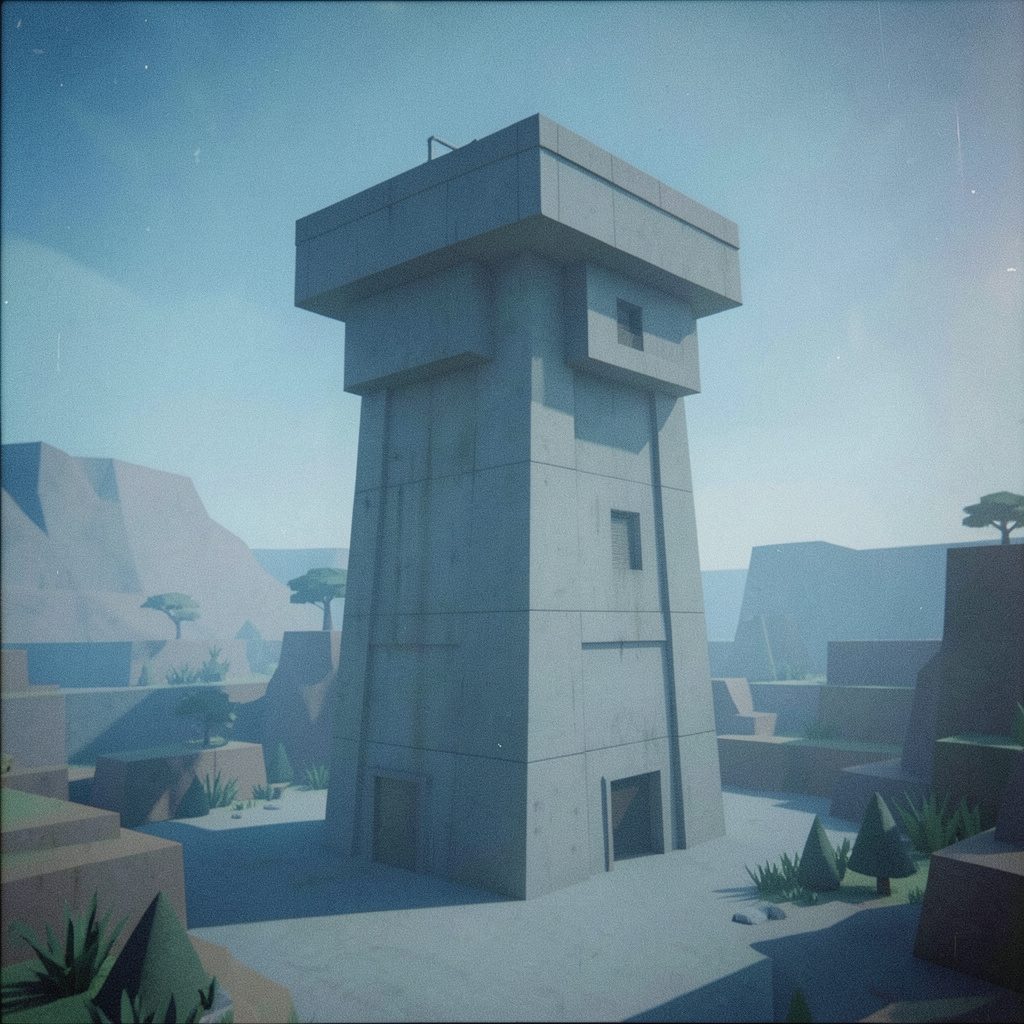
Every island is randomly generated across jungle, desert, sea, and snow biomes — no two playthroughs are the same.
Gather resources, smelt materials in furnaces, and construct bases to protect your valuables from hostile robots.
Face sinister NPC robots — gunners, grenadiers, and more — each with unique behaviors and weapon systems.
We're a group of five friends based in Ljubljana, Slovenia, sharing a passion for game development. Our past projects include Flying Pet, Jenkem, and the mobile hit Ore Miner. Now we're building Floatlands — a low-poly FPS for PC. Prepare for the harshest blizzards with our guide on surviving extreme snowstorms in Floatlands. Read more: Snowstorms: How to Prepare and Survive Extreme Weather
Project leader Domen Koneski handles game design and programming. Andrej Krebs leads 3D art, and Mito joined the team as our 2D artist.
The world of Floatlands unfolds as a low-poly survival experience where every island is shaped by procedural generation. Biomes shift seamlessly from dense jungle canopies to arid desert expanses, from open sea stretches to snow-covered terrain. This approach ensures that no two sessions feel the same, inviting players to explore freshly generated landscapes each time they start a new adventure. Curious about what goes into building a procedural world? Check out the latest behind-the-scenes look Inside the Floatlands development diary for a deep dive into how the team crafts Floatlands’ biomes and systems. The randomized layout of resources, enemy placements, and environmental features keeps exploration engaging and rewards those who venture off the beaten path into the unknown corners of each floating island.
Crafting and base building sit at the heart of the gameplay loop. Players gather raw ore and other valuable materials scattered across the biomes, then smelt them in furnaces to produce refined components. These resources feed into a construction system that lets you assemble fortified bases designed to safeguard your hard-earned loot. Positioning walls, storage, and defensive structures thoughtfully becomes essential, especially as hostile robot patrols roam the islands searching for player activity and unguarded valuables.
Combat in Floatlands pits players against a variety of sinister NPC robots, each with distinct behaviors and weapon systems. Gunners lay down sustained fire from a distance, grenadiers arc explosive projectiles over cover, and other enemy types introduce tactical surprises that demand quick adaptation. Learning the patterns and weaknesses of each robot class adds depth to encounters, while the low-poly art style keeps the action readable and visually clean even during chaotic firefights across the varied island terrain.
The game is built with a solo experience at its core, offering a focused single-player journey through the procedural biomes. Players can take their time learning the mechanics, experimenting with different base layouts, and mastering combat against the robot factions. A planned multiplayer expansion sits on the development roadmap, promising cooperative and competitive modes that will layer new dynamics onto the existing survival framework without compromising the carefully balanced solo adventure already in place.
Under the hood, Floatlands runs on custom technology that emphasizes performance and smooth gameplay. The development team has shared technical previews covering systems like collision avoidance, acceleration structures, and diagnostic stopwatch tools that monitor elapsed milliseconds during frame updates. These behind-the-scenes optimizations ensure that the procedural terrain generation, NPC behaviors, and physics calculations all run efficiently, maintaining a stable experience even as the world grows more complex with player-built structures and roaming enemy squads.
The visual identity of Floatlands embraces a low-poly aesthetic that pairs clean geometry with soft, readable lighting. This art direction gives the game a distinctive look that feels modern and approachable while keeping visual noise to a minimum. Concept art and design updates shared by the studio reveal careful attention to color palettes across the different biomes, ensuring that each environment feels distinct and atmospheric without relying on high-resolution textures or overly detailed models.
Regular devblog posts and community updates give players a window into the ongoing development process. The team shares insights on everything from procedural island generation and ore distribution to enemy behavior design and lighting adjustments. These transparent communications help build a sense of shared progress, with player feedback often shaping the direction of additions and refinements. The blog serves as both a development journal and a space where the community can follow the game's evolution over time.
The studio behind Floatlands brings together experienced developers with a shared passion for procedural generation and survival mechanics. Based on a philosophy of thoughtful iteration, the team balances technical ambition with a clear creative vision. Teambuilding trips and collaborative design sessions contribute to a cohesive working culture, while the roadmap reflects a methodical approach to feature rollout. The result is a game that feels cohesive and considered, with each system supporting the broader goal of creating a memorable low-poly survival sandbox.
Progress on core systems as of late 2016
Behind the scenes of Floatlands development
November 28, 2016
The team took a teambuilding trip to a coal mine in Velenje, connecting back to our Ore Miner roots. We also welcomed Mito as our new 2D artist.
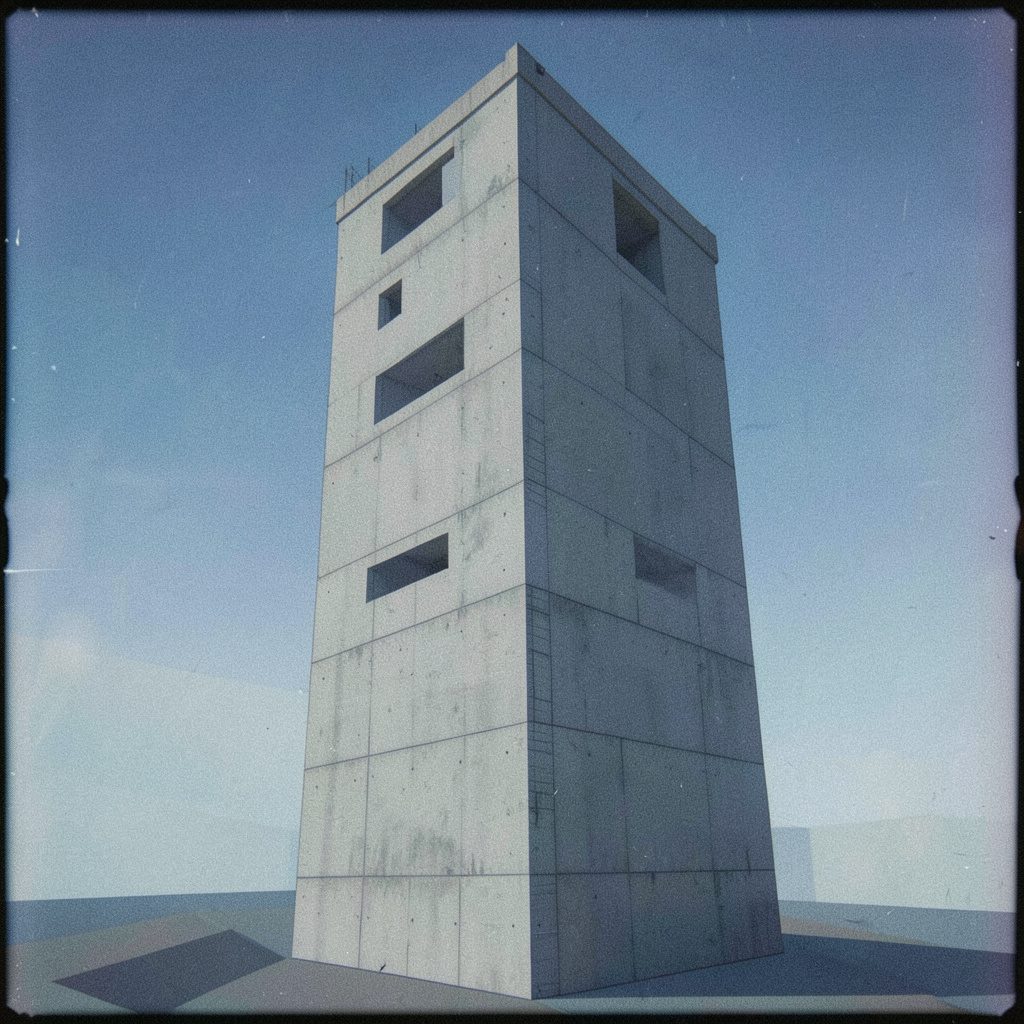
October 25, 2016
Two storage box variants and a furnace/smelter were added. Raw resources now need processing — small boxes for valuables, large ones for secured storage.

September 29, 2016
Lead 3D artist Andrej Krebs walked through the NPC design process — from initial sketches through weapon concepts to control rig testing and animation.
July 29, 2016
Players can build structures for protection and storage. The material scheme is based on rarity and tier — wood, stone, and reinforced bases each offer different defense levels.