We're a group of five friends who share the same passion for making games. We are located in Ljubljana, Slovenia. Our journey started with mobile titles, and now we're building Floatlands — a low-poly FPS for PC.
Previous Projects
- Flying Pet — a mobile arcade game where you transport animals with helicopters and avoid obstacles.
- Jenkem — a hilarious never-ending farting game.
- Ore Miner — a clicking game for mobiles, our most successful project to date.
Core Team
Domen Koneski
Domen drives the creative and technical direction of Floatlands, overseeing game design and core programming.
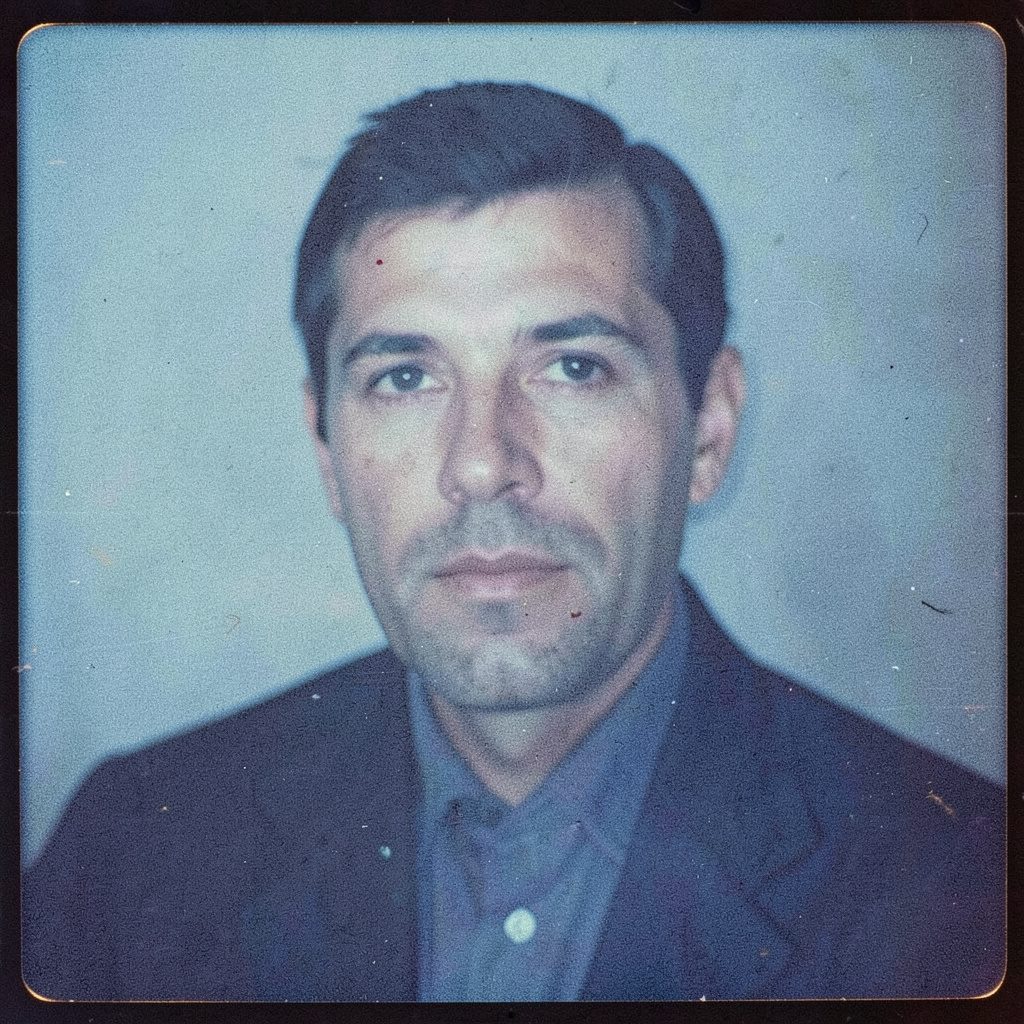
Andrej Krebs
Andrej handles all 3D modeling, NPC design, and environmental art, bringing the world of Floatlands to life.
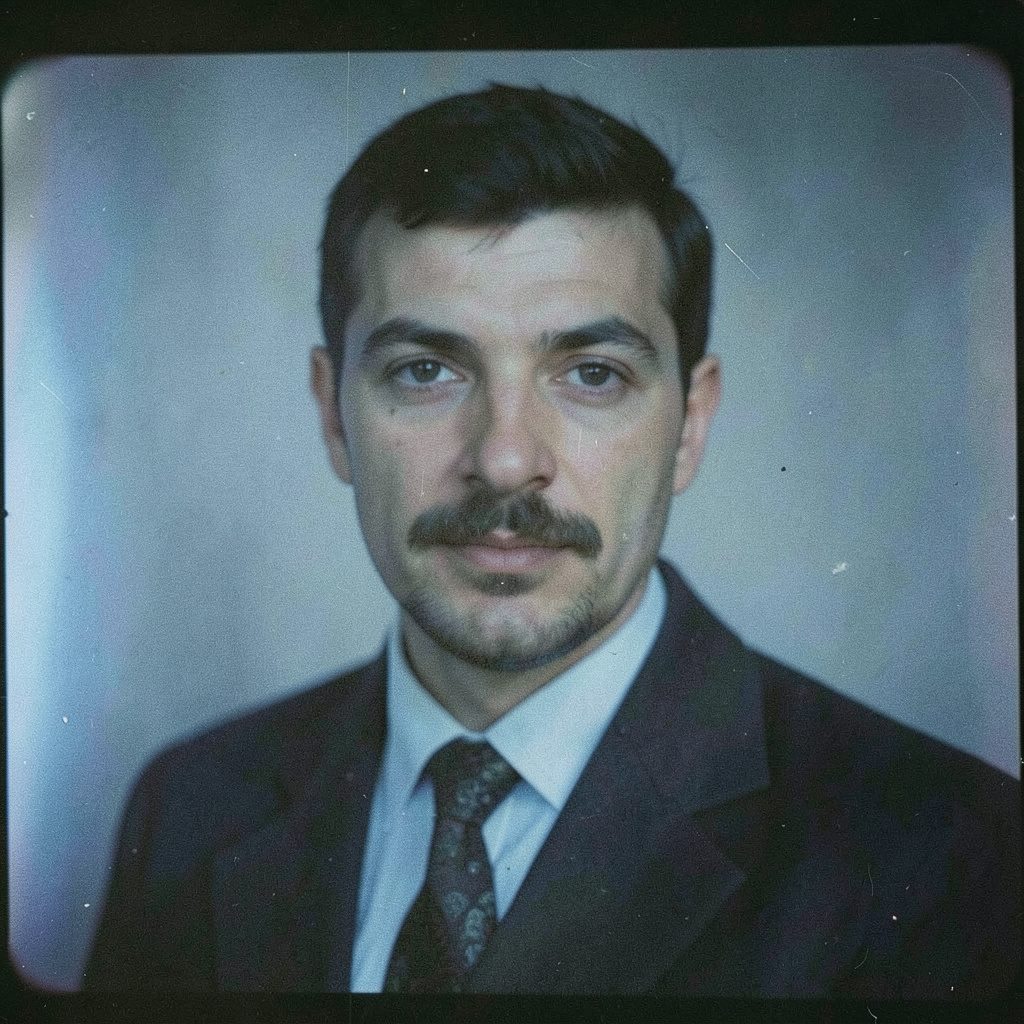
Mito
Mito joined the team to lead 2D art, contributing illustrations, UI elements, and visual identity for the project.
Get in Touch
For press inquiries or general questions, reach us at studiotechtrics@floatlands.net.
Follow development updates on Twitter: @StudioTechtrics
Born from a shared passion for game development, the team behind Floatlands brings together diverse talents honed over years of mobile and PC projects. Based in Ljubljana, Slovenia, this small group of friends transitioned from creating arcade and casual mobile titles toward a more ambitious vision. Their experience spans genres from animal-transport arcade games to idle clickers, each project teaching valuable lessons about design, player engagement, and technical craft. Now they channel that accumulated knowledge into a low-poly survival exploration game, combining procedural generation with handcrafted islands, all while keeping the development process close-knit and collaborative. The studio's journey reflects a steady evolution toward deeper, more immersive gameplay.
Floatlands presents a procedurally generated world where players explore a chain of floating islands suspended above a vast void. Each island offers unique terrain, resources, and environmental challenges, encouraging careful navigation and strategic planning. Mining for valuable ores and coal becomes essential for crafting tools and upgrades, while the day-night cycle shifts the difficulty as visibility changes and enemy robots patrol more heavily after dark. The game's low-poly art style creates a distinctive visual identity, with soft lighting and clean geometry that makes each island feel like a diorama waiting to be discovered. Survival depends on managing resources, avoiding hostile NPCs, and adapting to the unpredictable layout of the world.
The development team places strong emphasis on technical foundations, with ongoing work in collision avoidance, vector math, and performance optimization to ensure smooth gameplay across varied hardware. Regular updates documented in developer blogs track progress on terrain generation, NPC behavior, and loot systems. The team experiments with different island types, difficulty curves, and procedural algorithms to keep exploration fresh and rewarding. Debugging tools and diagnostics help refine the experience, while community feedback shapes priorities for each new build. This methodical approach allows the small studio to steadily expand the game's scope without sacrificing stability, balancing creative ambition with practical engineering discipline.
Beyond the code and geometry lies a studio culture rooted in friendship and shared creative goals. Weekly team-building activities and occasional office trips strengthen the bonds that make collaboration possible. The team's workspace in Ljubljana reflects their values: open communication, mutual respect, and a willingness to iterate on ideas until they feel right. Art and design concepts evolve through constant discussion, with each member contributing across disciplines rather than staying strictly in their lane. This flexible, trusting environment allows the team to tackle the inherent difficulties of game development together, turning ambitious concepts into playable reality while maintaining the close camaraderie that first brought them together.