In Floatlands, players can construct their own bases for protection and storage. The building system gives you the freedom to shape your shelter while the material scheme ties progression directly to exploration and resource gathering.
Material Tiers & Rarity
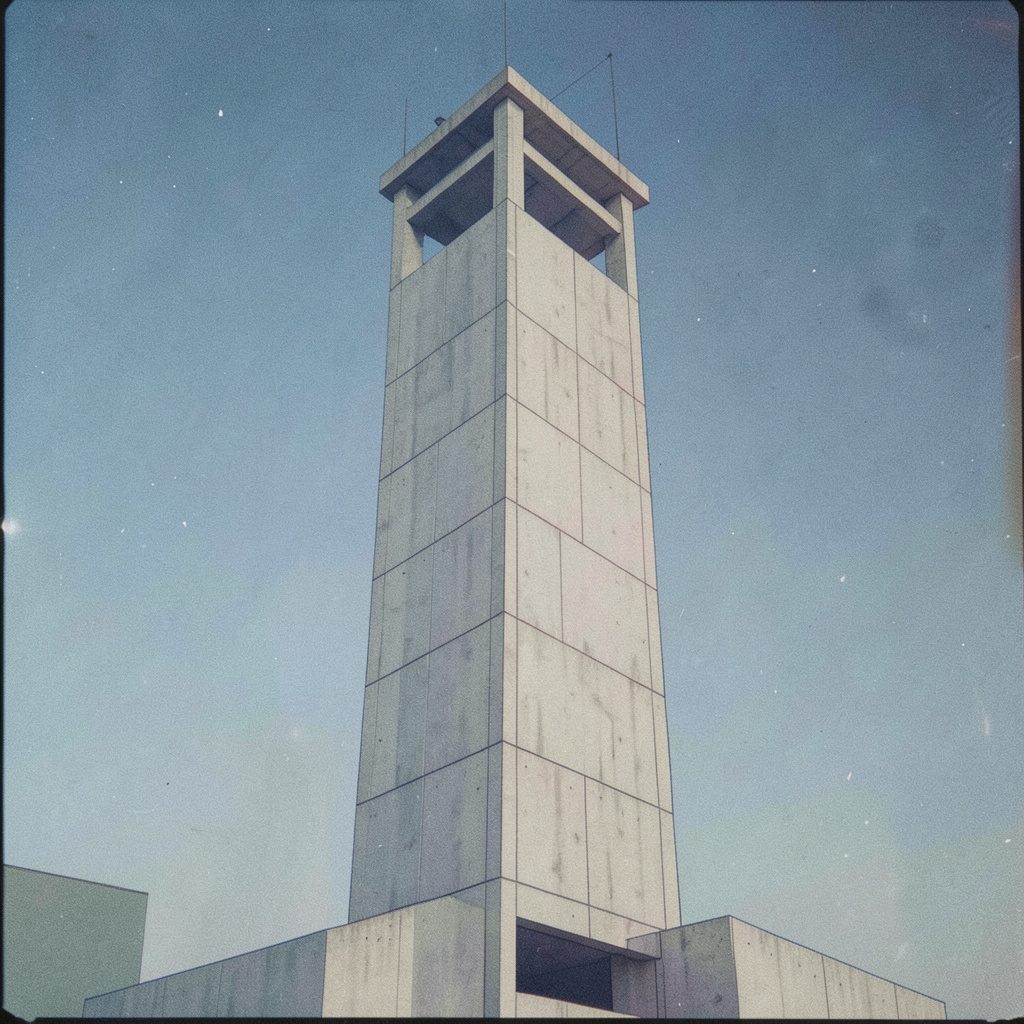
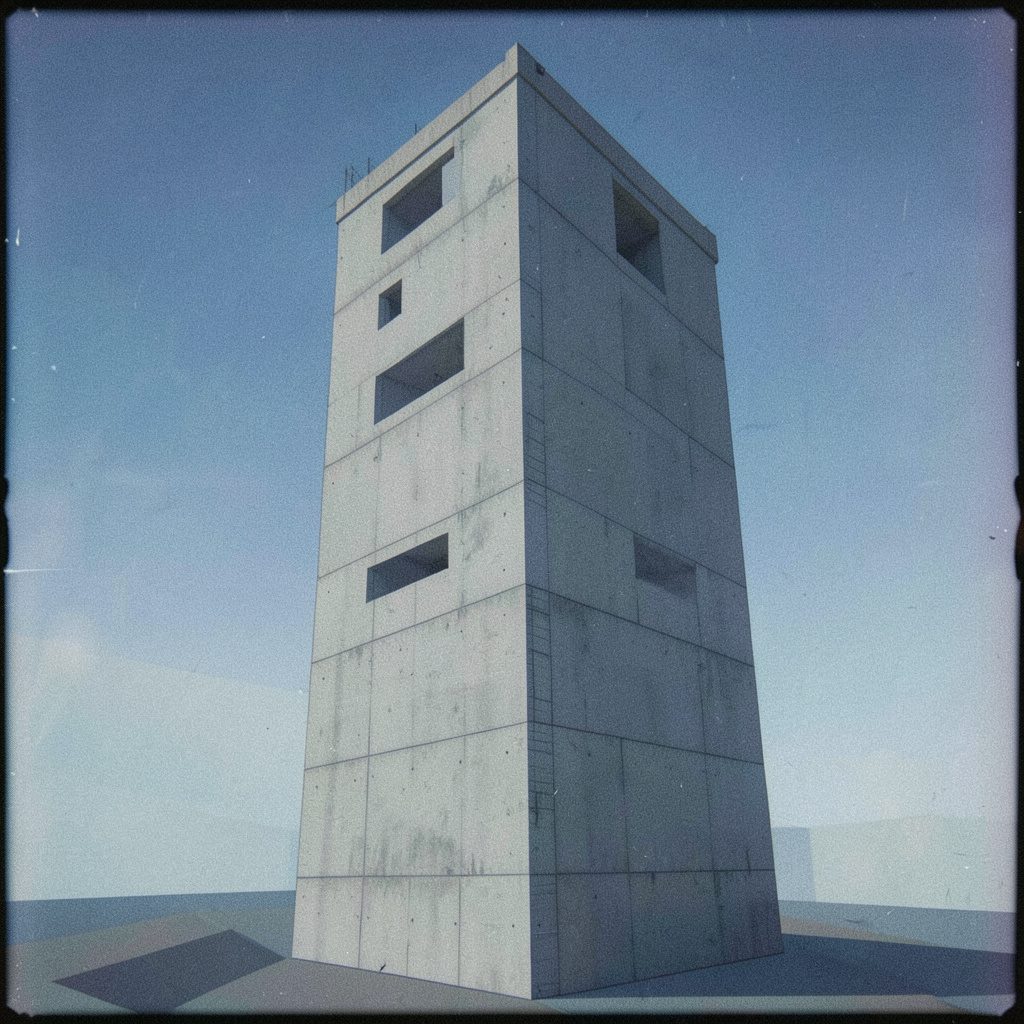
Structures follow a tiered material scheme based on rarity and usability. Common materials like wood are easy to gather and form the first layer of any base. Stone offers better durability, while reinforced composites sit at the top of the progression ladder — harder to obtain but far more resilient against hostile robots.
- Wood — abundant, quick to build, vulnerable to damage.
- Stone — mid-tier, balanced protection and availability.
- Reinforced — rare materials, highest structural integrity.
Processing Raw Resources
Raw materials gathered from the world can't be used directly in advanced construction. Players need furnaces to smelt ore and refine harvested resources into usable building components. This processing step adds a strategic layer: securing a furnace and keeping it fueled becomes essential to upgrading your base.
From the roadmap: The build system was at 90% completion and crafting at 90% as of late 2016. Biomes — jungle, desert, sea, and snow — were at 70%, each offering distinct resource distributions.
Protection & Storage
Structures aren't just cosmetic. They shield the player from roaming NPC threats and provide secure storage for valuables. The design encourages players to think about placement, material choice, and expansion as they explore the randomly generated floating islands.
Future updates planned deeper integration with the electricity system and additional structural modules as development progressed.