Devblog 16 – Sinister Robot NPC Design
In this devblog, Lead 3D Artist Andrej Krebs walks through the design process behind Floatlands' sinister robot NPCs — the hostile machines players will face across the game's procedurally generated islands.
Concept & Sketches
The design started with rough sketches exploring silhouettes that read as menacing but mechanical. Several iterations refined the proportions — elongated limbs, angular head casings, and exposed joint mechanisms — to create a silhouette that feels threatening even at a distance.
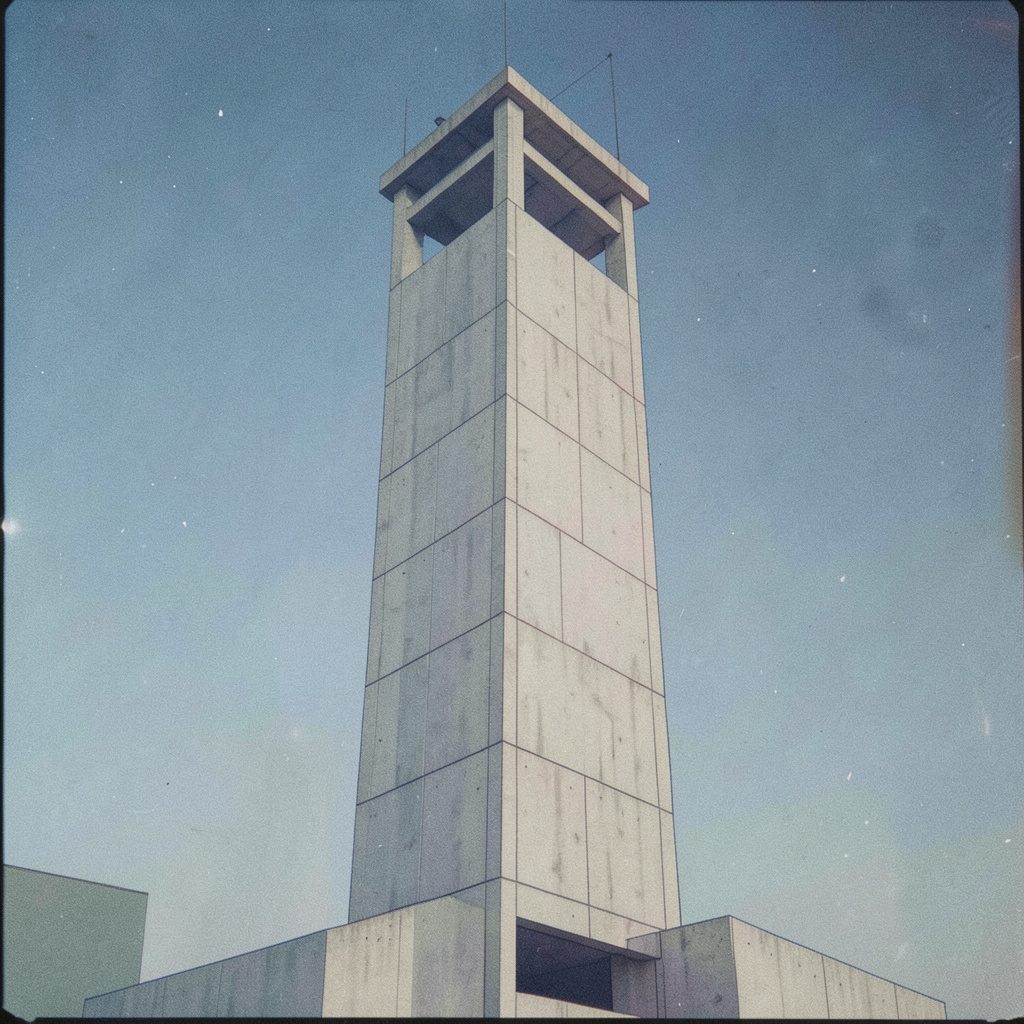
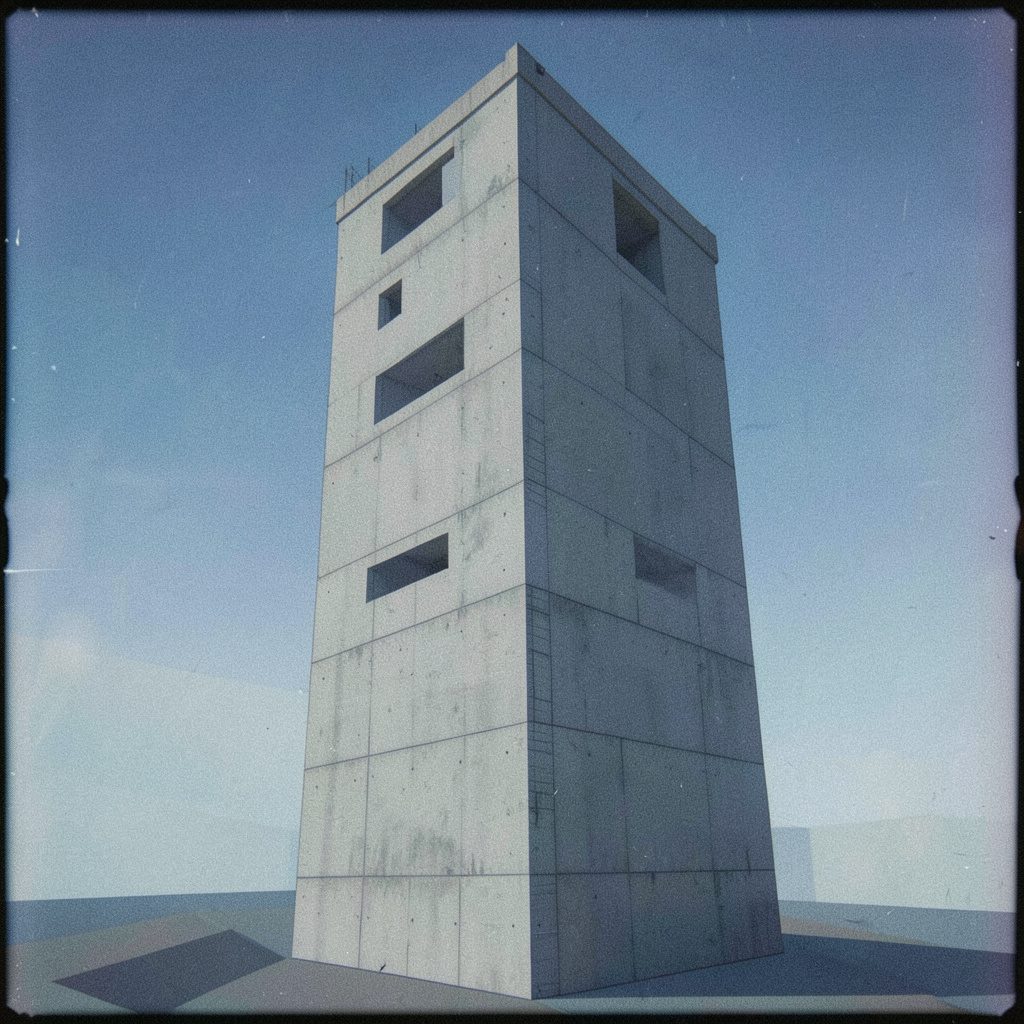
Weapon Ideas & Control Rig
Alongside the base model, Andrej explored weapon attachments — arm-mounted cannons, shoulder launchers, and energy-blade claws. A custom control rig was built and tested to ensure the NPCs could aim, track the player, and transition smoothly between idle, patrol, and combat states.
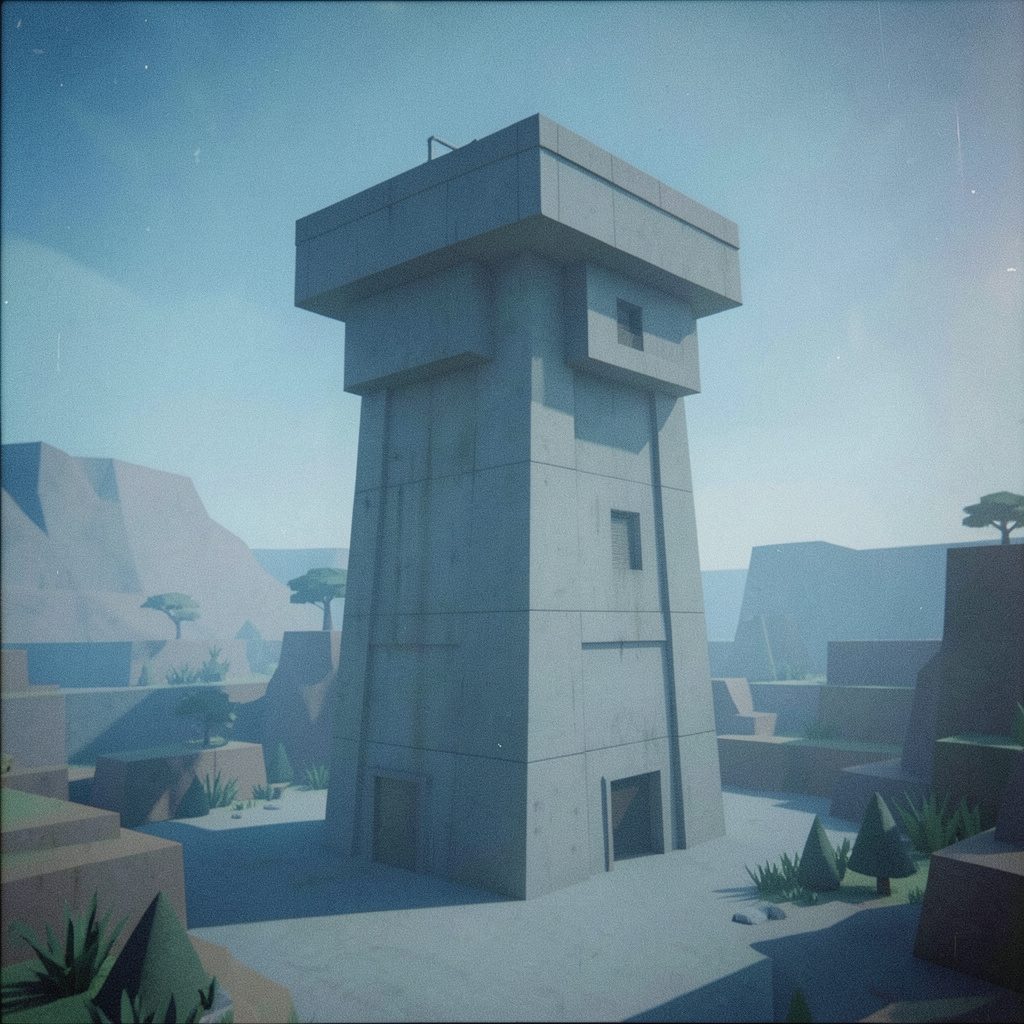
Animation & Integration
Once the rig passed testing, animation cycles were produced: a hunched patrol walk, a sudden aggro charge, and melee swipe attacks. These were integrated into the game engine and tested against the player character. The goal was to make every encounter feel dangerous — NPCs are designed to pose a significant threat, forcing players to think tactically rather than rush in.
What This Means for Players
Sinister robot NPCs will patrol key points of interest across Floatlands' biomes. They react to sound and sight, can call reinforcements, and drop valuable components when defeated. Approach with caution.
- Multiple NPC variants planned, each with distinct attack patterns.
- NPCs guard resource-rich areas and abandoned structures.
- Stealth and ranged tactics will be viable alternatives to direct combat.
The procedural generation system at the heart of Floatlands ensures that every island players explore offers a unique experience, with terrain, loot distribution, and enemy encounters all shaped by algorithmic variation. This approach extends beyond simple landscape creation, influencing the placement of valuable ore deposits, the density of hostile robot patrols, and the structural layout of abandoned facilities scattered across the world. The development team has invested considerable effort into refining the math and collision avoidance systems that govern NPC behavior, making each encounter with the sinister robot enemies feel dynamic rather than scripted. Combined with the careful lighting and color palette decisions, these procedural systems create a world that feels both unpredictable and intentionally designed, rewarding repeated exploration with fresh challenges and discoveries.